

UNS-Malaysian Researchers Collaboration on Inclusive Innovation and Entrepreneurship for Persons with Disabilities in Indonesia and Malaysia
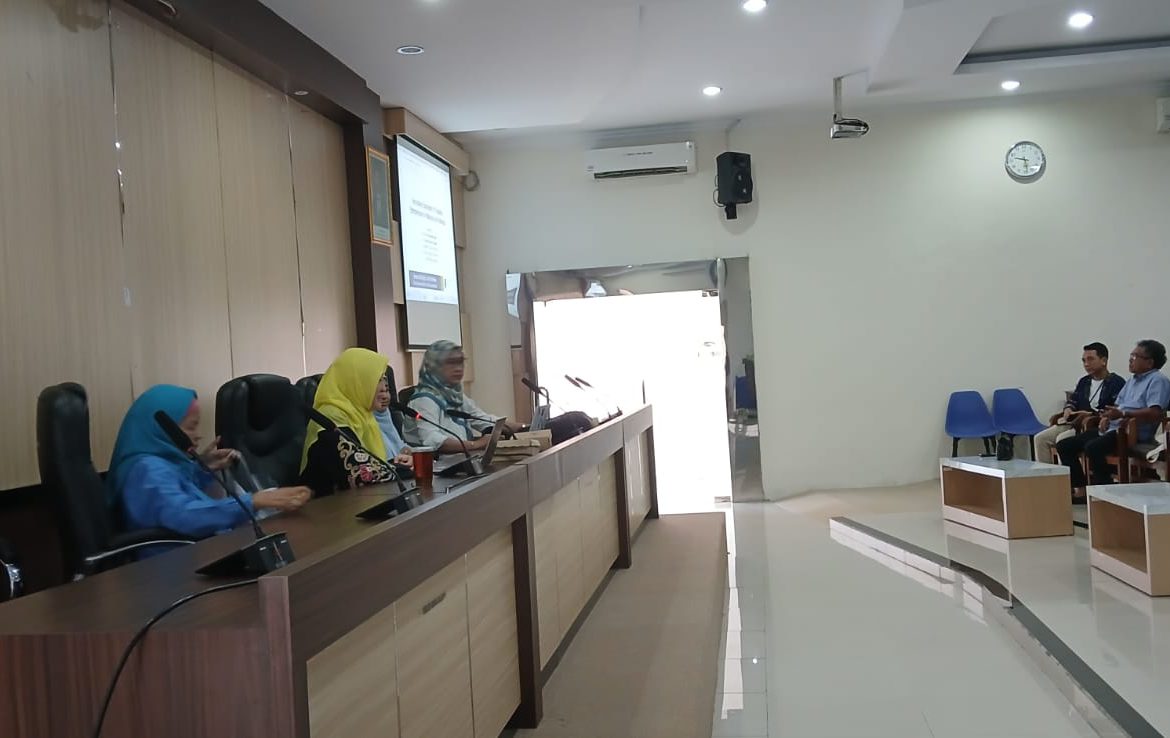
A research team from Universitas Sebelas Maret (UNS) organized a guest lecture on Tuesday, 23 September 2025, at the Konimex Hall, Faculty of Economics and Business (FEB) UNS, entitled “Innovation Ecosystem for Disabled Entrepreneurs in Indonesia and Malaysia.” The event featured two speakers from Universiti Malaya, Prof. Dr. Ismawati binti Jaafar and Dr. Farzana Parveen Tajudeen, as part of an ongoing international research collaboration between Universiti Malaya (UM), Universitas Sebelas Maret (UNS), and Universitas Muhammadiyah Ponorogo (UMPO).
The guest lecture is part of a broader research initiative entitled “Inclusive Innovation: Co-Creating Digital Entrepreneurship with the Disabled Community and its Ecosystem,” which focuses on developing inclusive innovation and digital entrepreneurship for persons with disabilities (PwD) in Indonesia and Malaysia. The study not only maps the challenges faced by the disabled community—including social stigma, discrimination, and limited access to education, employment, and capital—but also proposes solutions through an inclusive innovation ecosystem model and the use of digital technology to strengthen entrepreneurial capacity among PwD.
 The research explores two primary case studies: Batik Ciprat in Karangpatihan Village, Indonesia, and batik initiatives led by persons with disabilities in Malaysia, such as Rumah Harapan and Batik Kuala Lumpur. Preliminary findings from 51 respondents reveal that self-efficacy, barriers, and entrepreneurial intentions play a critical role in the success of PwD-driven digital businesses. The analysis further highlights the importance of digital tools in expanding market access, reducing operational costs, and reinforcing the social identity and role of disabled communities in the local economy.
This activity reflects UNS’s commitment to strengthening international networks and advancing impactful research that directly benefits society, particularly in promoting social and economic inclusion for vulnerable groups. The guest lecture also supports the achievement of the Sustainable Development Goals (SDGs), especially SDG 8: Decent Work and Economic Growth, SDG 10: Reduced Inequalities, and SDG 9: Industry, Innovation, and Infrastructure, by fostering an inclusive innovation ecosystem that empowers persons with disabilities as equal and competitive economic actors.