

Creative Economy Research Group FEB UNS Empowers Graduates of Surakarta Social Assistance Program
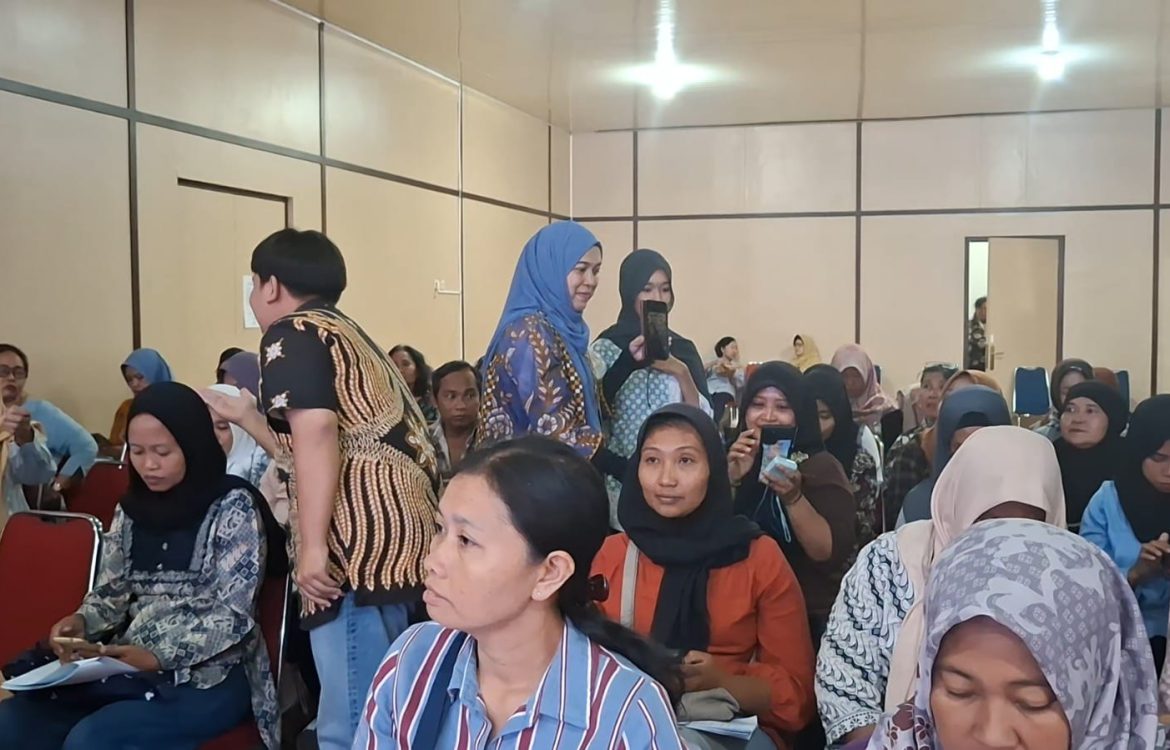
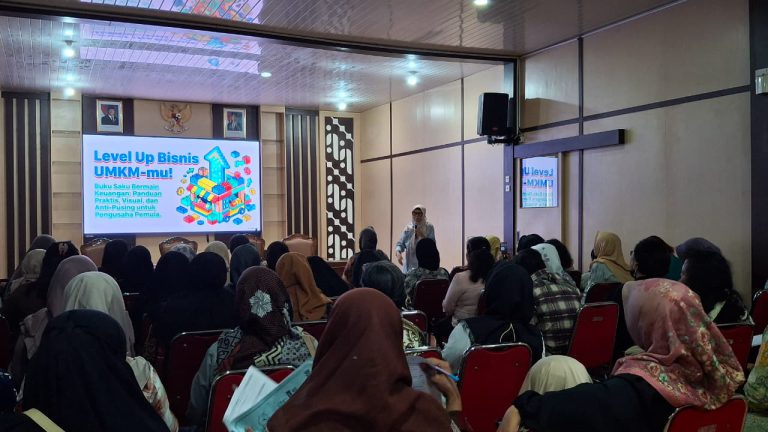
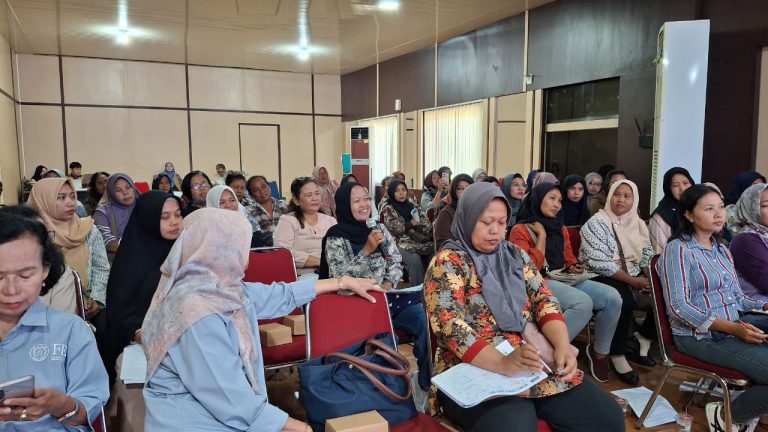
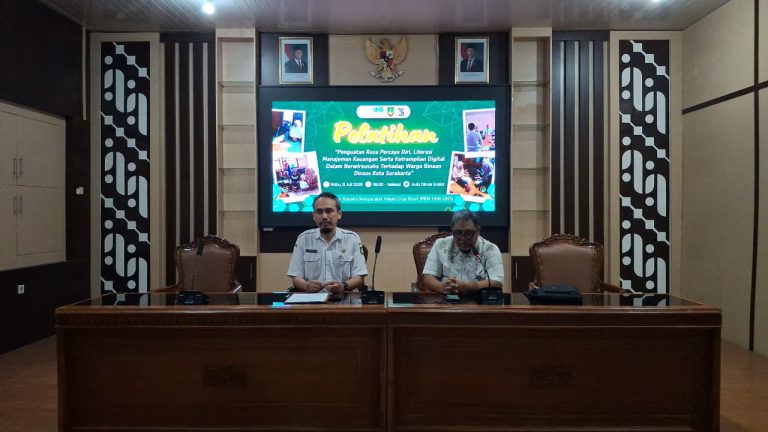
The Creative Economy Research Group, Faculty of Economics and Business (FEB), Universitas Sebelas Maret (UNS), conducted a Community Service program under the Research Group Grant Scheme (PKM HGR-UNS) titled “Strengthening Self-Confidence, Financial Management Literacy, and Digital Entrepreneurship Skills for Graduates of the Surakarta Social Affairs Office Assistance Program.” The activity took place on Wednesday, July 8, 2026, at the Hall of the Surakarta Social Affairs Office and was attended by beneficiaries who had successfully graduated from the city’s social assistance program.
 The program was part of the Research Group Grant Community Service (PKM HGR-UNS) scheme under the priority theme of Human Development and National Competitiveness. It was led by Dr. Mugi Harsono, S.E., M.Si., C.CCM., C.CLM., a lecturer and researcher from the Creative Economy Research Group at FEB UNS. The team also included Prof. Dr. Hunik Sri Runing Sawitri, M.Si.; Prof. Dr. Asri Laksmi Riani, M.S.; Prof. Dr. Salamah Wahyuni, SU.; Dr. Intan Novela Qurrotul Aini, S.E., M.Si.; Dr. Anastasia Riani Suprapti, M.Si.; and Suryandari Istiqomah, S.E., M.Sc. The program additionally involved five students from the Management Study Program at FEB UNS as members of the Community Service team: Nabila Diva Aulia Putri Andrian, Navisa Mitzy Alexandra, Adzkia Nida Fauziah, Devika Rispriandani, and Rakha Duta Arkananta.
 The initiative was designed to address several challenges commonly encountered by beneficiaries who had completed the social assistance program, including limited confidence (perceived behavioral control) to start a business, low financial literacy, and inadequate digital skills for entrepreneurship. According to available data, Surakarta records an average of approximately 20,500 social assistance recipients each year, with 290 beneficiaries successfully graduating from the program over the past three years. This group became the primary target of the Community Service initiative.
 “To ensure that social assistance programs generate sustainable economic benefits for their beneficiaries, they should be complemented by business and entrepreneurship-related life skills. The most fundamental aspect is building participants’ confidence that they are capable of running a business, which should then be supported by financial literacy and digital skills,” explained Dr. Mugi Harsono, the head of the Community Service team.
The program was implemented through three main approaches. The first focused on strengthening participants’ entrepreneurial mindset through workshops on self-confidence and simple business planning simulations. The second provided training in financial literacy and microenterprise management, including daily bookkeeping, separating household and business finances, and basic cost-of-production calculations. The third introduced fundamental digital entrepreneurship skills, including creating WhatsApp Business accounts, utilizing local online marketplaces, product photography techniques, social media promotion strategies, and digital payment systems.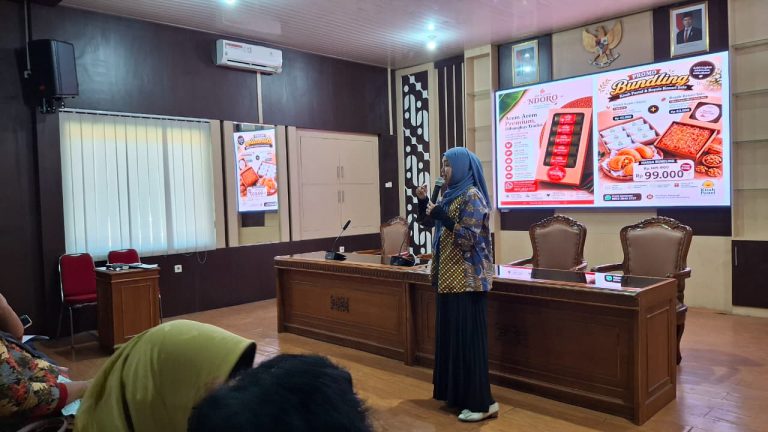
The program was carried out in collaboration with the Surakarta Social Affairs Office as the Community Service partner. Drs. Samsu Tri Wahyudin, M.Si., Head of the Surakarta Social Affairs Office, expressed the institution’s commitment to supporting the initiative in encouraging beneficiaries to transform from recipients of social assistance into economically independent entrepreneurs.
The Creative Economy Research Group at FEB UNS hopes that the program will produce tangible outcomes for participants, including business ideas, simple bookkeeping records, and digital business accounts, while also increasing their confidence, readiness, and intention to pursue entrepreneurship. The initiative will continue through participant progress monitoring and the dissemination of findings in a SINTA-indexed scientific journal as one of the program’s required outputs.
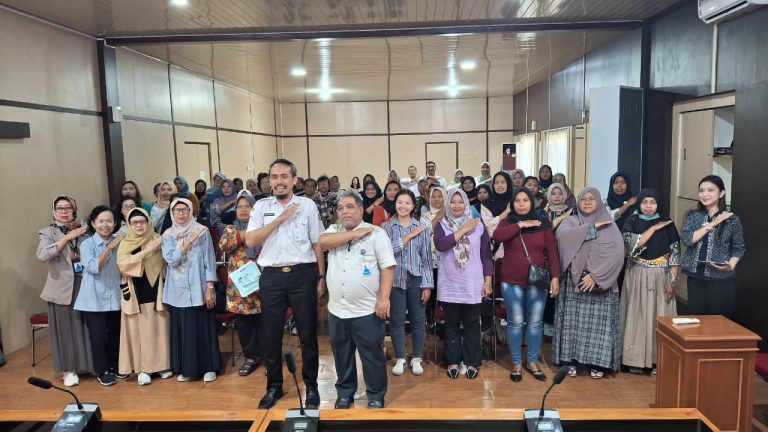 Through this Community Service program, FEB UNS reaffirms its commitment to supporting human development and national competitiveness through community empowerment, in line with the role of higher education institutions in promoting the transformation of social assistance policies from a protective approach toward a more productive model.
The program also contributes to the achievement of the Sustainable Development Goals (SDGs), particularly SDG 1 (No Poverty), SDG 4 (Quality Education), SDG 8 (Decent Work and Economic Growth), and SDG 17 (Partnerships for the Goals).