


MAKSI FEB UNS Promotes Accelerated Study Through Fast-Track Program and Prestigious Scholarships
The Master of Accounting (MAKSI) Study Program, Faculty of Economics and Business (FEB), Universitas Sebelas Maret (UNS), organized a dissemination session entitled “Shaping the Future in Academic Opportunity” on Friday, May 23, 2025. The event was conducted in a hybrid format at the Bachtiar Effendi Building, FEB UNS, and via Zoom Meeting. It featured two keynote speakers: Prof. Doddy Setiawan, S.E., M.Si., Ph.D., Ak., Head of the Accounting Study Program, and Lulus Kurniasih, S.E., M.S.Ak., Ph.D., Head of the Master of Accounting Study Program (MAKSI).
The session introduced the fast-track program, specifically designed to provide opportunities for students aspiring to continue their studies at the master’s level in a shorter time and at a more efficient cost. This initiative serves as a strategic effort to encourage outstanding students to pursue advanced studies without a lengthy gap. Prof. Doddy Setiawan emphasized that the core of the program lies in allowing students to undertake undergraduate and master’s levels simultaneously. Through this scheme, students are able to complete both degrees within five years. In addition to time efficiency, participants also benefit from a 50% tuition fee reduction during the first two semesters.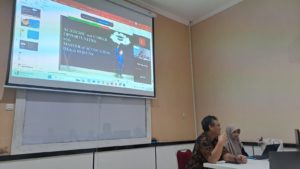
“We want students not only to complete their undergraduate studies but also to directly pursue their master’s level while maintaining academic quality. The fast-track program is the best pathway for this. Most importantly, students will receive intensive supervision starting from the first semester to ensure they can follow the program successfully,” he remarked.
By providing this pathway, FEB UNS offers high-achieving students the chance to accelerate their academic and professional careers through a well-structured and integrated program. Further, Dr. Lulus Kurniasih explained that the fast-track route is open to active undergraduate students, particularly in the Accounting study program, starting from their sixth semester. “Students may begin taking master’s-level courses while still enrolled in the undergraduate program. This enables them to graduate from the master’s program faster and at a much lower cost, as they only pay 50% of tuition in the first two semesters,” she explained.
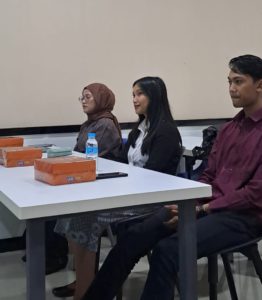 The program is open to students with a minimum GPA of 3.50, a TOEFL score of at least 450, and a TPA score of 425 or a passing result on the Scholastic Aptitude Test from the UNS Faculty of Psychology, along with one recommendation letter from a faculty member holding a doctoral degree. Beyond administrative selection, applicants are also required to undergo an academic interview to ensure their readiness and motivation for joining the program. In addition to introducing the fast-track pathway, the event also highlighted various scholarship opportunities available to both fast-track and regular students.
“We want to ensure that outstanding students are not hindered by financial barriers. They can take advantage of scholarships such as the Scopus Scholarship, LPDP, and the Education for Master’s Leading to Doctorate for Excellent Undergraduates (PMDSU),” she added.
For instance, the Scopus Scholarship at UNS is awarded each semester to two students who managed to publish their scientific manuscript in a reputable journal. Meanwhile, the LPDP Scholarship from the Ministry of Finance provides full funding for outstanding master’s students. As for the PMDSU Scholarship, it offers an integrated pathway to complete both master’s and doctoral studies. Admission to the fast-track program is open only from April to August, and applicants are required to contact the admissions office or the Head of the MAKSI Study Program beforehand.
Through the fast-track program and the scholarship opportunities offered, the MAKSI Study Program FEB UNS contributes to achieving the Sustainable Development Goals (SDGs), particularly in ensuring inclusive and equitable access to quality education (SDG 4).
This program also supports the development of competent and competitive human resources, which play a key role in driving sustainable economic growth, decent employment, and innovation (SDGs 8 and 9). Thus, MAKSI FEB UNS not only produces highly qualified graduates but also plays an active role in building a fairer and more sustainable future for Indonesia and the global community.