

P4M FEB UNS Working Paper Forum Discusses the Role of Vouchers in Adolescent Food Consumption Patterns
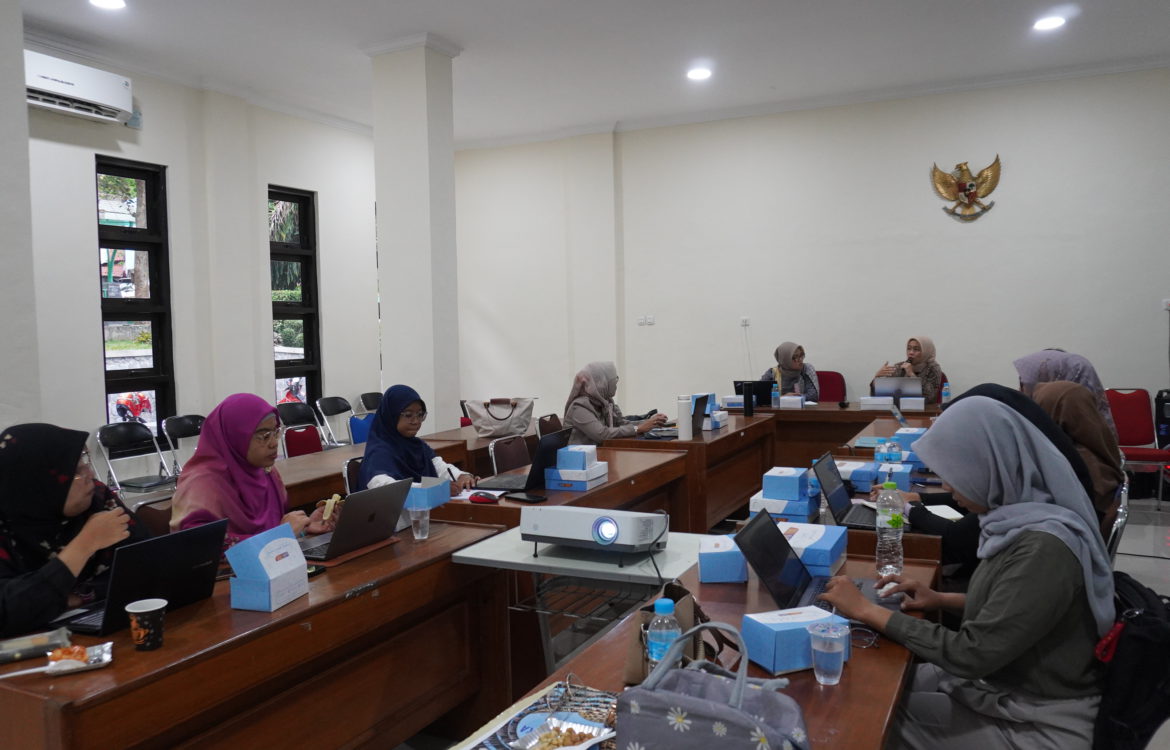
The Center for Research and Community Engagement Development (P4M), Faculty of Economics and Business, Universitas Sebelas Maret (FEB UNS), in collaboration with Applied Microeconomics Research Group, organized Working Paper Forum on Wednesday, September 10, 2025, at Meeting Room 2, Soeharno TS Building, FEB UNS. The forum was attended by members of the FEB UNS academic community, including lecturers, researchers, and students. The discussion highlighted a study entitled “Socioeconomic Experimental Study: The Role of Vouchers & Agency in Food Consumption Preferences among Adolescents,” presented by Prof. Tri Mulyaningsih, S.E., M.Si., Ph.D.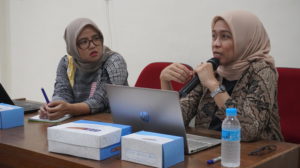
In her presentation, Prof. Tri addressed the issue of the double burden of malnutrition in Indonesia, namely the growing consumption of high-calorie and sugary foods amid persistently high rates of stunting and anemia, particularly among adolescents. This phenomenon reflects the rising intake of processed, calorie-dense foods, while stunting and anemia remain pressing public health challenges.
The research involved 1,011 students aged 12–16 from five schools in Solo City. Participants were divided into three experimental groups: a control group receiving vouchers for stationery, a group receiving vouchers for healthy food, and a group receiving choice vouchers (healthy or unhealthy food). The three-week intervention was combined with nutrition education and included measurements of eating behavior, daily consumption, and psychological factors before and after the intervention.
Findings showed that vouchers were effective in increasing healthy food consumption in the short term, yet eating patterns returned to their original state once the intervention ended. More notably, providing choice (agency) enhanced preferences for healthy food, especially among younger students with specific psychological traits such as higher compliance and stronger needs for autonomy.
 “Our conclusion is that policies based on providing choice hold potential as an effective strategy to encourage healthy eating among adolescents. However, interventions need to be continuous and tailored to age in order to achieve long-term impact,” Prof. Tri stated.
Through this forum, FEB UNS reaffirms its commitment to supporting research that is not only innovative but also applicable in improving quality of life, especially among the younger generation. As part of its dedication to sustainable development, this session contributes to the achievement of the Sustainable Development Goals (SDGs), particularly SDG 3 on health and well-being, which targets reductions in stunting and malnutrition, and SDG 4 on quality education through the dissemination of knowledge and health awareness. This collaborative effort reflects the vital role of higher education institutions in creating solutions that bring positive impacts to society and sustainable national development.