

FEB UNS Prepares Advisory Board as a Strategic Move Toward AACSB International Accreditation
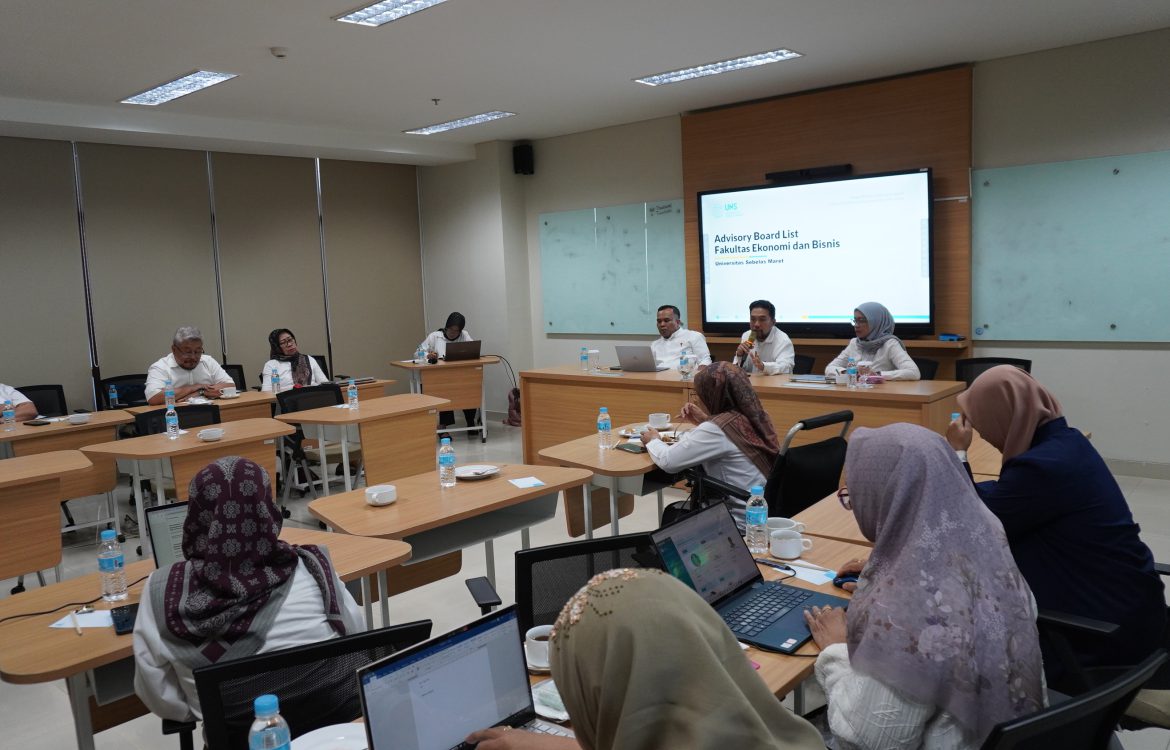
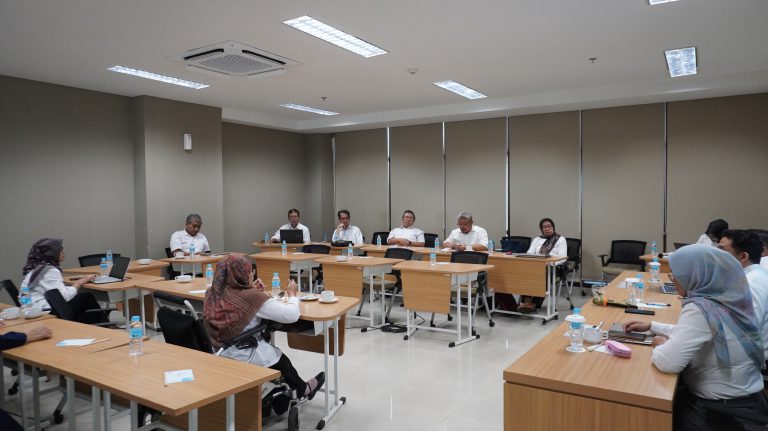
Faculty of Economics and Business (FEB), Universitas Sebelas Maret (UNS), organized a Discussion on the Formation of the FEB UNS Advisory Board on Monday (18/5/2026) at Classroom 3, 5th Floor of the UNS Tower Hotel. This activity is part of the strategic steps taken by FEB UNS to prepare for the Association to Advance Collegiate Schools of Business (AACSB) international accreditation process while strengthening partnership networks with various stakeholders from the industrial sector, government, academia, and the business world. The event was attended by management from the Dean Office, faculty senate members, and the FEB UNS AACSB task force team to discuss the concept, legality, composition, and criteria of the Advisory Board to be formed.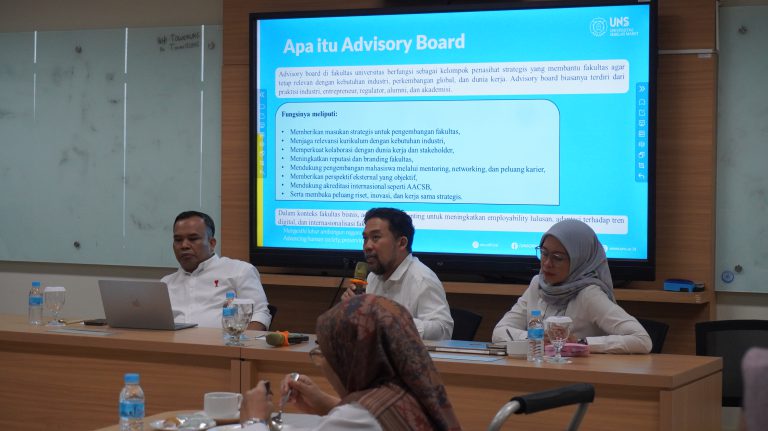
The Advisory Board is designed as a strategic forum that can provide feedback for institutional development, particularly regarding market demands for graduates, curriculum design, faculty performance evaluation, as well as strengthening the branding and international network of FEB UNS. The Dean of FEB UNS, Prof. Bhimo Rizky Samudro, S.E., M.Si., Ph.D., stated in his opening remarks that the establishment of an Advisory Board is an essential requirement in the AACSB international accreditation process.
 “Today, we from the Dean Office are in the process of preparing for the AACSB international accreditation. In this process, we require feedback from this forum. Essentially, we wish to consult regarding the steps that need to be formulated in establishing the Advisory Board,” the Dean remarked.
He explained that in the process of drafting the AACSB eligibility application, FEB UNS requires the involvement of stakeholders and strategic partners who are considered eligible to be part of the Advisory Board. According to him, the presence of this forum will not only function as a tool for institutional branding but also as a consultative space that provides strategic input for faculty development.
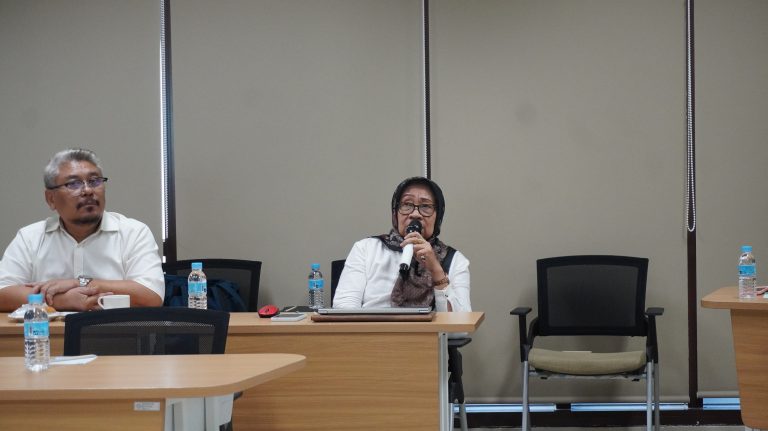 “The Advisory Board is hopefully going to serve as a platform for faculty branding as well as a forum that provides feedback regarding market needs for graduates, curriculum development, and faculty performance evaluation,” he explained.
Prof. Bhimo emphasized that FEB UNS still requires various inputs regarding the criteria and composition of the Advisory Board members, including the proportion of industry, academia, alumni, and other professional sectors. “We also need feedback regarding the qualifications and composition of the Advisory Board members, for instance, from the industry, academia, alumni, or other professionals, so that this forum can truly provide strategic contributions to the development of the faculty,” he added.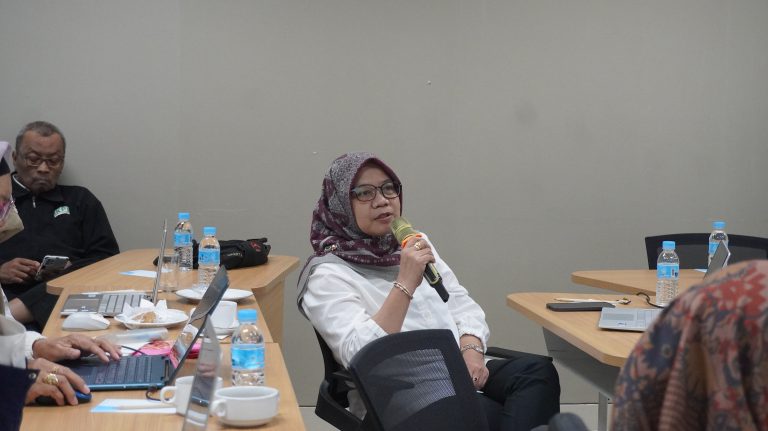
Prior to this, the FEB UNS AACSB task force team had prepared a list of prospective Advisory Board candidates from various strategic fields to be discussed together. During the discussion forum, participants provided various insights regarding the formation of the FEB UNS Advisory Board. This activity also aligns with efforts to support the Sustainable Development Goals (SDGs), particularly Goal 4 regarding Quality Education, Goal 8 regarding Decent Work and Economic Growth, and Goal 17 regarding Partnerships for the Goals.