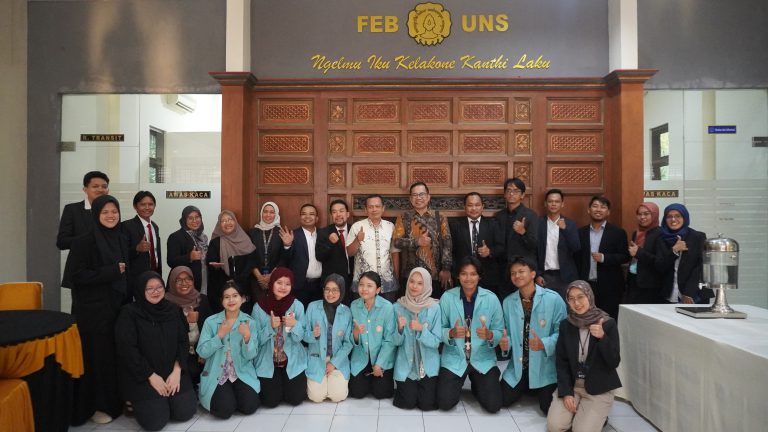
LAMEMBA Assessment Marks a Milestone for Quality Enhancement of the Doctoral Program in Economics at FEB UNS
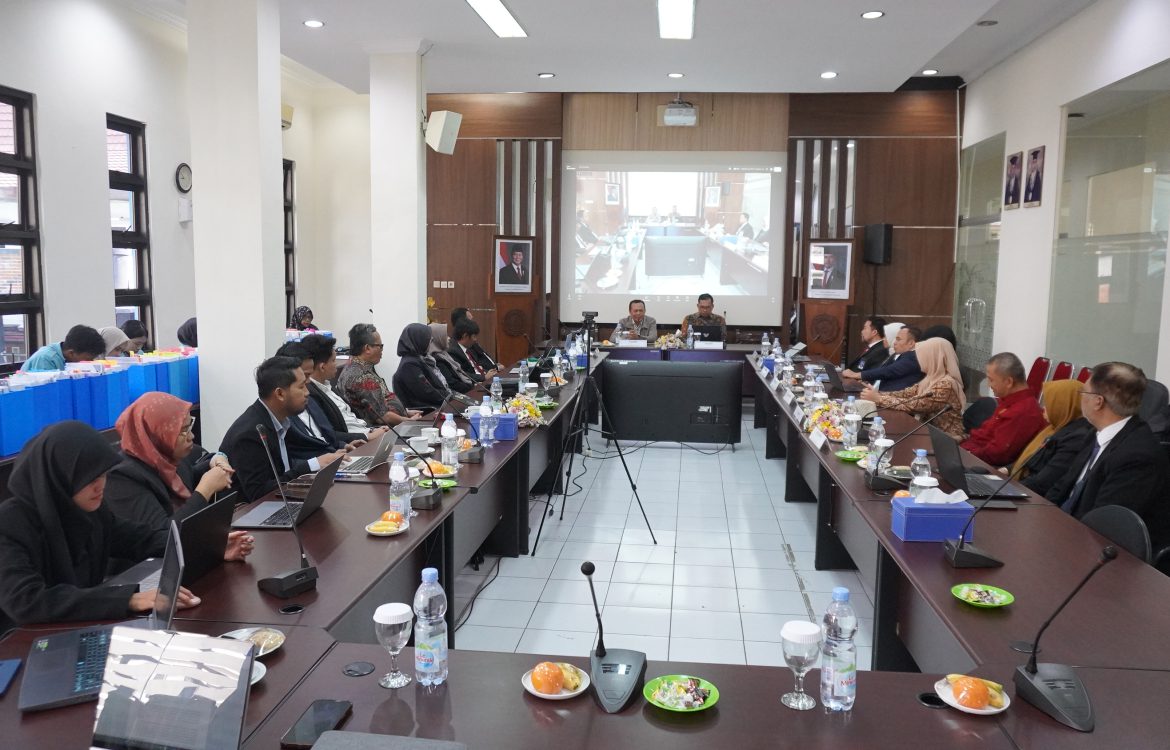
The Doctoral Program in Economics (PDIE), Faculty of Economics and Business (FEB), Universitas Sebelas Maret (UNS), underwent a site assessment conducted by the Independent Accreditation Agency for Economics, Management, Business, and Accounting (LAMEMBA) on 25–26 June 2026. The assessment was carried out by two assessors: Prof. Dr. Nasikh, S.E., M.P., M.Pd., from Universitas Negeri Malang and Prof. Putu Mahardika Adi Saputra, S.E., M.Si., M.A., Ph.D., from Universitas Brawijaya.
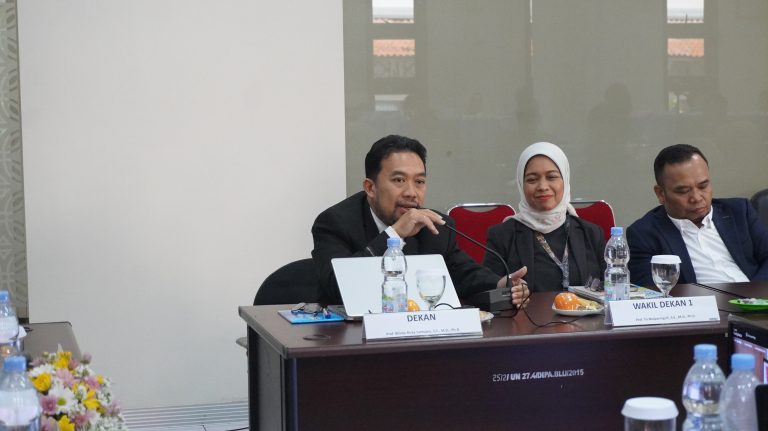 The opening ceremony took place on Thursday, 25 June 2026, in Meeting Room I, Second Floor, Soeharno TS Building, FEB UNS, and was attended by university and faculty leaders, the accreditation task force, and quality assurance representatives from across UNS. In his opening remarks, Dean of FEB UNS, Prof. Bhimo Rizky Samudro, S.E., M.Si., Ph.D., emphasized that the site assessment is a natural part of the quality assurance process and serves as an important opportunity for evaluation and continuous improvement of FEB UNS Doctoral Program in Economics.
 “When we evaluate ourselves, we often fail to recognize our own weaknesses. Through this site assessment, we hope to gain a more objective perspective that supports our institutional commitment to maintaining strong performance at both the national and international levels,” he said.
Prof. Bhimo also expressed his appreciation to the accreditation task force for their thorough preparation and reaffirmed the faculty’s commitment to implementing the assessors’ recommendations to further strengthen the program.
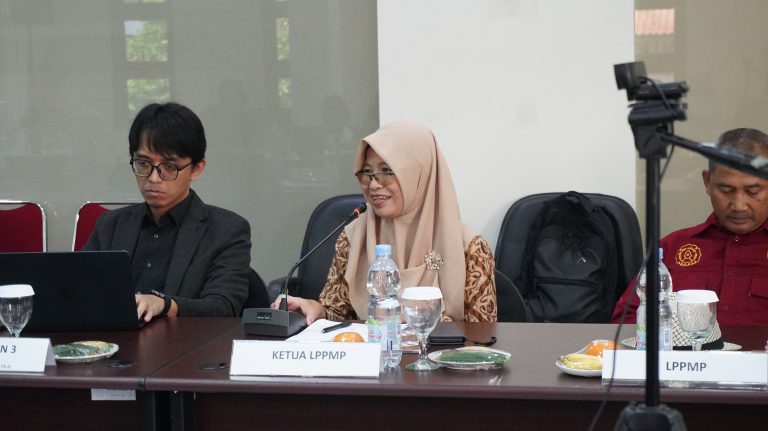
Representing the Head of UNS Institute for Educational Development and Quality Assurance (LPPMP), Dr. Anjar Sri Ciptorukmi Nugraheni, S.H., M.Hum., the Secretary of LPPMP UNS, highlighted the importance of external assessment in providing an impartial evaluation of study program quality.
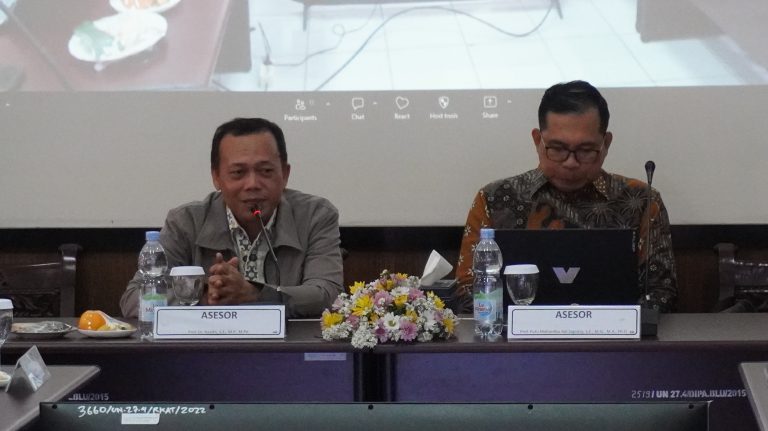 “We rely on external assessors to provide an objective view of our institution. Should there be areas requiring improvement, we sincerely welcome their recommendations and guidance. This process is part of our ongoing commitment to enhancing quality,” she explained.
She added that UNS continues to strengthen its Internal Quality Assurance System (SPMI) at the study program, faculty, and university levels, supported by integrated digital systems that facilitate education, research, and community service.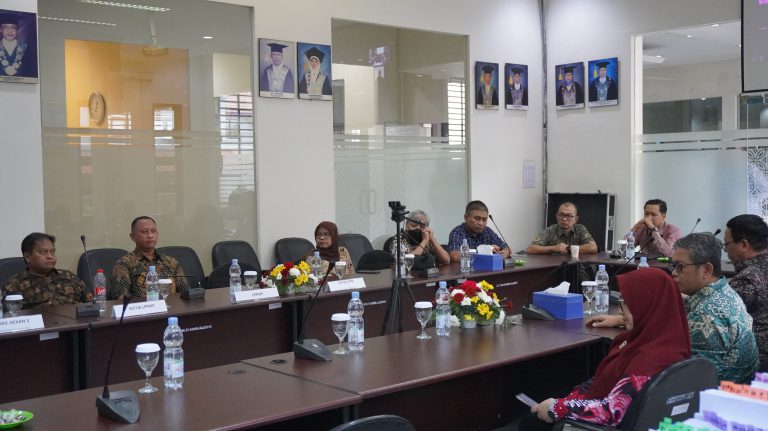
During the assessment, Prof. Nasikh explained that the assessors’ role was not to identify shortcomings but to verify and clarify the information presented in the Self-Evaluation Report (DED) and Study Program Performance Report (DKPS). “Our purpose is to verify whether the submitted documents accurately reflect the conditions on the ground. We are also here to provide recommendations and share experiences that can contribute to future improvement,” he stated.
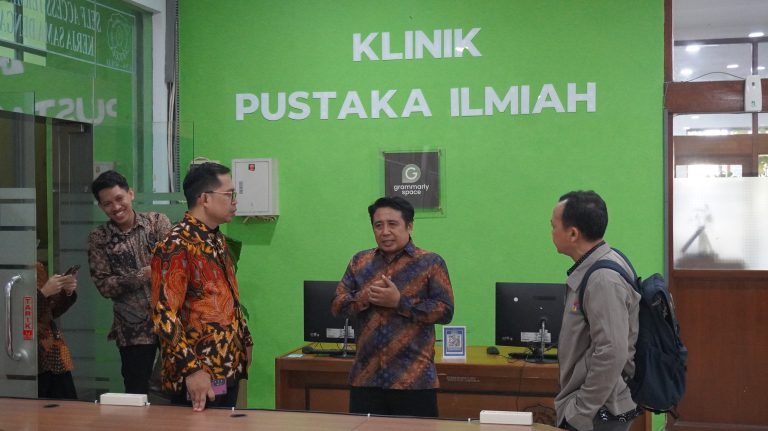 He also expressed his appreciation for the warm hospitality and cooperation extended by UNS and FEB UNS throughout the assessment process.
Prof. Putu Mahardika Adi Saputra shared a similar perspective, noting that accreditation is an integral part of continuous quality improvement in higher education institutions. “Every institution has opportunities for improvement. With constructive input from various stakeholders, quality enhancement can become more effective and efficient,” he remarked.
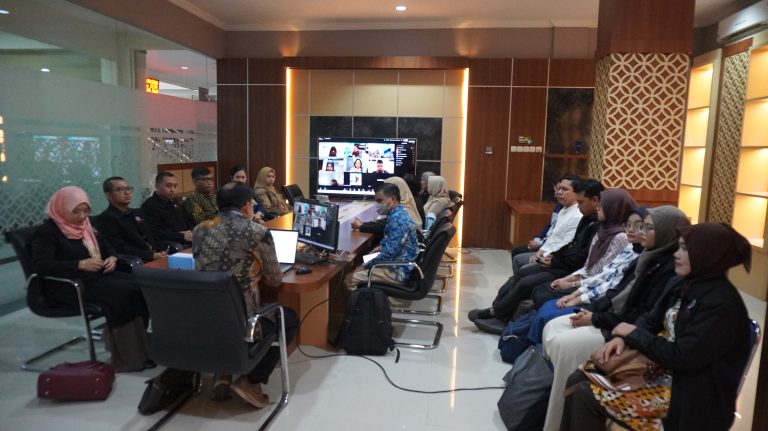 PDIE FEB UNS is supported by several institutional strengths, including highly qualified faculty members with doctoral and professorial credentials, strong international publication performance, extensive international collaborations, strategic research centers, and graduates whose competencies are well aligned with labor market needs. Throughout the two-day assessment, the assessors verified the Self-Evaluation Report and Study Program Performance Report, conducted site observations, and held discussions with university leaders, faculty members, students, alumni, and employer representatives.
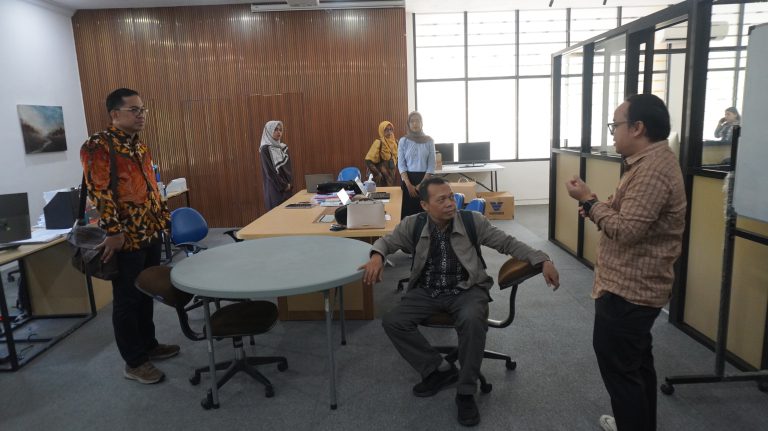
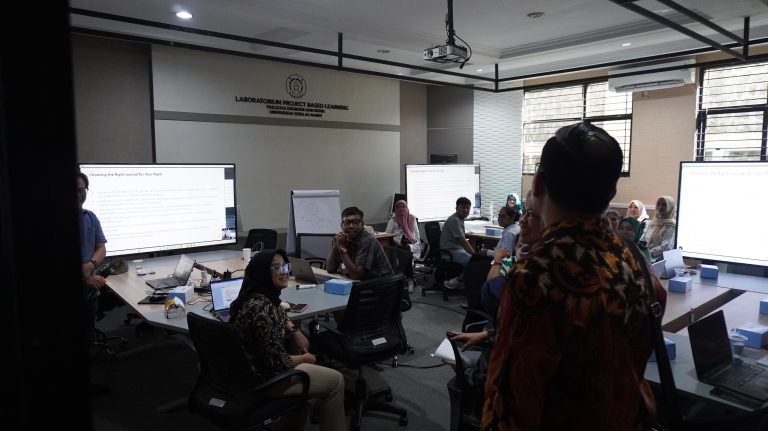 The site assessment reflects the Doctoral Program in Economics’ ongoing commitment to maintaining and continuously improving the quality of higher education through a culture of evaluation and continuous improvement.
The activity also supports the achievement of the Sustainable Development Goals (SDGs), particularly SDG 4 (Quality Education) by strengthening higher education quality assurance systems, and SDG 17 (Partnerships for the Goals) through collaboration between higher education institutions and accreditation agencies to advance educational quality.