

International Research Collaboration: UNS, UMPO, and Universiti Malaya Initiate the Development of Inclusion in Entrepreneurship for Disabled Community
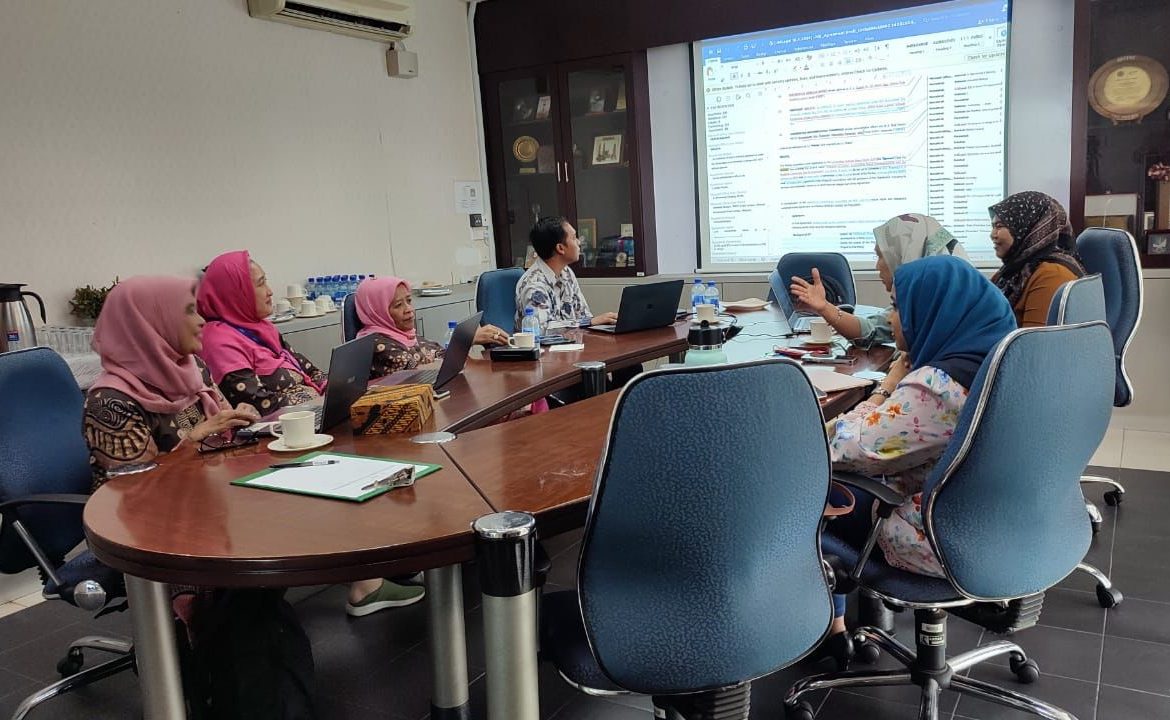
Universitas Sebelas Maret (UNS) and Universitas Muhammadiyah Ponorogo (UMPO) together with Universiti Malaya (UM) Malaysia initiated innovative research as an effort to collaborate on cross-border research.
 The UNS team is led by Ari Kuncoro Widagdo, Ph.D., consisting of Prof. Rahmawati and Dr. Sri Hartoko. The collaboration was represented by Dr. Rochmat Aldy from UMPO, and Prof. Noor Ismawati Binti Jaafar, from Universiti Malaya. In addition to cross-country collaboration, this activity also involved three students, two students from postgraduate programs and one student from FEB UNS undergraduate students.
In their media release to feb.uns.ac.id, Dr. Rahmawati reveals that this collaboration aims to investigate and develop an inclusion innovation model for Persons with Disabilities (PwD) by encouraging digital innovation and entrepreneurship as a significant step toward economic inclusion and community empowerment.
It is said that persons with disabilities (PwD) are usually at higher risk of limited access to education and educational facilities, lower employment rates, and higher poverty rates. PwD also faces various obstacles to social and economic inclusion in society.
“Developing countries, including Indonesia and Malaysia, continue to strive to ensure greater inclusion for people with disabilities by equalizing opportunities and ensuring the full inclusion and participation of people with disabilities in society. For example, craftsmen from the PwD community produce Batik Ciprat in Karangpatihan Village, Ponorogo, Indonesia, where there are 205 people with disabilities living there. Similarly, in Malaysia, there are disability NGOs, namely Rumah Harapan and Batik Kuala Lumpur, which have zones for disabled batik artisans. Despite facing stereotypes, stigma, and discrimination, the PwD community continues to run their business,” she explained.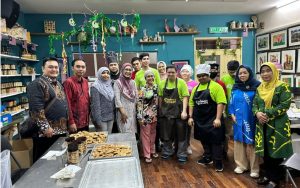
This study used observations of people with disabilities who run their own businesses and Focus Group Discussions (FGD) with stakeholders in the disability community. She further explained that this research collaboration emphasizes the importance of cross-country partnerships in facing urgent social challenges and encouraging inclusive development.
Hopefully, by employing the expertise and shared resources from UNS, UMPO, and UM, this research can have great potential in exploring the entrepreneurial potential of PwD, as well as contributing to economic resilience and broader social inclusion throughout the region, especially in Indonesia and Malaysia.
As the study progresses, stakeholders and policymakers can gain valuable insights that can be used in evidence-based interventions and policy reform.
The goal is to create an environment that supports PwD entrepreneurship. With cross-disciplinary dedication and collaboration, these universities are at the forefront of driving positive change and creating a more inclusive society for all.