

English Training for Academic Support Staff at FEB UNS: Strengthening Competence for Global Academic Services
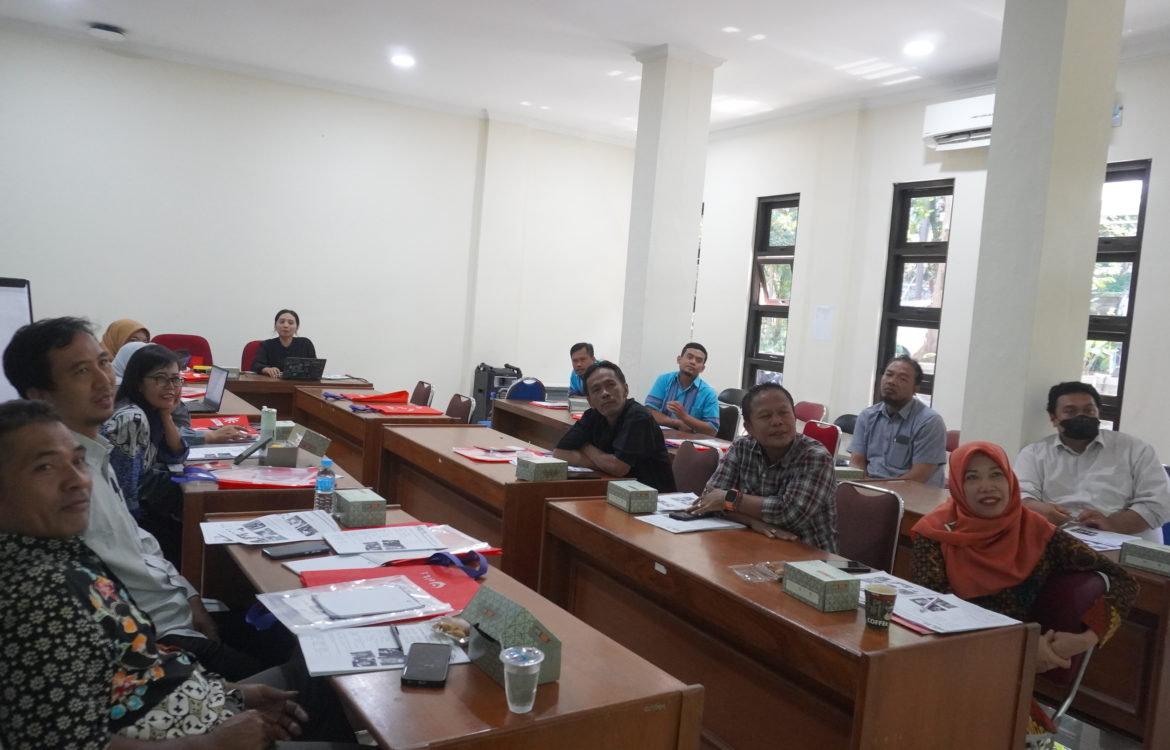
The Faculty of Economics and Business, Universitas Sebelas Maret (FEB UNS), organized the Intensive Workshop English Program for Academic Support Staff as part of efforts to enhance English language skills and strengthen competencies to support internationally oriented academic services.
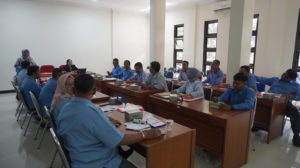
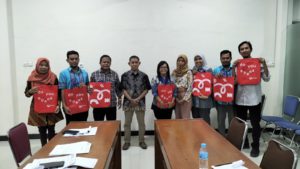
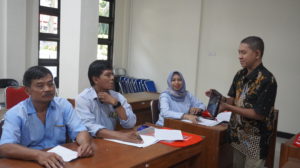 The training took place over three days on 7, 9, and 14 October 2025 at Meeting Room 2, Soeharno TS Building, 1st Floor, FEB UNS. Academic Support Staff from various units across FEB UNS participated in two sessions of the workshop.
In an interview with feb.uns.ac.id, Vice Dean for Non-Academic Affairs, Dr. Sutaryo, S.E., M.Si., Ph.D., Ak., CA., CRA., CRP., ACPA, explained that English proficiency is an essential skill to support effective and professional academic services, particularly in the context of higher education internationalization and the pursuit of AACSB (Association to Advance Collegiate Schools of Business) international accreditation.
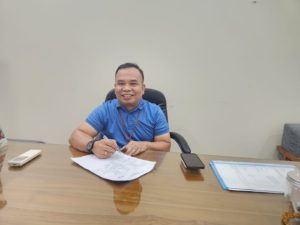
Dr. Sutaryo, S.E., M.Si., Ph.D., Ak., CA., CRA., CRP., ACPA
He stated that the AACSB process evaluates not only academic and research achievements but also the role of Academic Support Staff as the frontliners of faculty services.
“AACSB is not only about faculty and research; it also focuses on how Academic Support Staff deliver quality-oriented services and continuous improvement. Enhancing English proficiency is a fundamental step toward building a work culture that is better prepared to meet global demands,” he explained.
Dr. Sutaryo added that foreign language skills go beyond linguistic abilities; they involve habit formation and mindset shifting. “Small steps like greeting, replying to messages, or writing letters in English are part of the process of developing new habits. It’s fine to start in a mixed or bilingual way, as long as there is a clear effort. In the future, we even plan to have specific days when all internal communication will be conducted in English,” he shared.
 He also encouraged staff to use technology to support their language learning process, such as translation applications and digital assistants. “Many tools are available now, from translators to AI tools. What matters most is the willingness to try and get used to it, because without practice, the skill will fade,” he added.
Beyond language enhancement, Dr. Sutaryo emphasized the importance of rekindling professionalism and a sense of responsibility at work. “We all have contracts and responsibilities. Every contribution, no matter how small, reflects the compensation we receive each month. That sense of responsibility should come from self-awareness, not because someone asks us to,” he stated.
 He also shared plans to conduct regular training sessions for Academic Support Staff every quarter, covering various themes such as public speaking, work ethics, and public service improvement, as part of the faculty’s commitment to strengthening human resource capacity.
Through this initiative, FEB UNS reaffirms its commitment to fostering a professional, adaptive, and globally oriented work environment. This effort also supports the achievement of the Sustainable Development Goals (SDGs), particularly SDG 4 (Quality Education) and SDG 8 (Decent Work and Economic Growth), by preparing competent and competitive Academic Support Staff to deliver excellent and sustainable educational services.